
Built By Imagination

Built By Imagination The Story of a Farm Boy, a Wild Vision, and the Technology That Finally Understood Him Wilton Rogers July 14, 2025 Tucked deep in the mountains, hidden between winding dirt roads and endless hills, was a quiet family farm surrounded by hundreds of acres of green pastureland passed down through generations. It was peaceful. Simple. Honest. Cows grazed lazily in the sun. Chickens wandered freely. Horses trotted along worn trails as the wind rolled over the hills. The animals lived full, happy lives untouched by the noise of the outside world. Back then, there was no internet. Just three fuzzy TV channels, on a good day, pulled in by an old antenna bolted to the roof. Only a few houses in town had satellite dishes, and that was before cable made its way out that far. There were no smartphones. No YouTube. No scrolling. Just long days, early mornings, and plenty of imagination. And in the middle of it all was a boy who saw more than what was in front of him. While the world around him stayed still, his mind raced. While others saw fences and feed, he saw futures and inventions. He didn’t know how, but he knew there had to be a way to turn his ideas into something real. And that belief would follow him for the rest of his life… Until the day the technology finally caught up with his dreams Stage One: The Boy Who Saw More He built entire cities in the dirt with sticks and soda cans. Imagined talking machines that could clean the barn. Created business ideas with no market, no money, and no audience just belief. While others learned to drive tractors, he learned to sketch out systems in his head. But it was all just play. Or so they said. “You think too big.” “Be realistic.” “That’ll never work around here.” He heard it all. So when high school ended, he left the farm, taking nothing but a bag of clothes… and a brain full of dreams. Stage Two: The World Wasn’t Ready College. Cities. Jobs. Startups. He tried them all. He pitched his ideas. He built websites. He followed the rules. And every time, the same thing happened: No one really understood him. His ideas were too abstract. His vision too “out there.” They wanted business plans. Predictable paths. Safe bets. But his mind didn’t work like that. He didn’t want to build a business the normal way. He wanted to create something that ran itself. That learned. That adapted. That felt like it could grow from his mind straight into reality. He just didn’t have the tools yet. Until the world started catching up. Stage Three: Then Came Automation (And the First Spark) It started quietly. Around the early 2010s. He came across a concept called Robotic Process Automation (RPA). Software that could mimic what people did on computers. Click here Copy that Paste this Send email Do it again tomorrow It was the first time something outside of his brain could repeat tasks, work 24/7, and eliminate wasted time. He tested it. He built bots. Suddenly, ideas that once needed a team of people could be done with a single digital worker. For the first time, his imagination didn’t feel too big. It felt… possible. But even RPA had its limits. It couldn’t think. It couldn’t adapt. It couldn’t dream like he could. Still, it was the first spark. A sign that something bigger was coming Stage Four: And Then, the Breakthrough (AI Agents Were Born) Years later, it happened. The world introduced something that didn’t just automate, it understood. He discovered AI Agents. Digital minds that could read, learn, adapt, and evolve. He could type out a vision in plain language, and they would build it. Not just follow instructions—but suggest better ones. Need a brand? Done. Want daily social media? Scheduled. Customer service? Handled. Market research? Completed overnight. A system that updates itself? Already learning. These weren’t tools. These were co-creators. They didn’t push back. They didn’t doubt. They worked with him. At his speed, at his level of imagination. He finally found something that moved as fast as his brain. Stage Five: The Empire That’s Not Yet Finished Back home, the farm still looks the same. Same dirt roads. Same fences. Same sunsets. But now, he’s building an enterprise from a laptop, powered by AI Agents that operate like an invisible team. His imagination now has execution. His wild ideas have structure. And his farm-town dream? It’s evolving into something far bigger than he ever imagined. So… Is This Story Real? Every bit of it, except the ending. That part hasn’t been written yet. Because while the enterprise may still be in motion, the tools are already here. You don’t need a Silicon Valley office. You don’t need millions in funding. You just need your imagination and the ability to plug into AI the right way. That’s what changed everything for the farm boy. And it can do the same for you. The only question left is… What are you going to build now that the world can finally keep up with your imagination? 14 Jul 2025 AI Agent Smart Automation Solutions Every Small Business Should Be Using in 2025 12 Jul 2025 Business What Is Process Automation and How Can It Save Your Business Time and Money? 12 Jul 2025 AI Agent How to Scale a Business Without Scaling Your Team Using Automation Categories Business AI Agent
The Art of AI

The Art Of AI How We Went from Rock Carvings to Robots and Why Business Will Never Be the Same Wilton Rogers July 14, 2025 Imagine this: Thousands of years ago, a merchant picks up a sharp rock and starts scratching symbols into clay. He’s keeping track of how many goats he traded for grain. That was his version of “business software.” That’s where it all began. With rocks. Now fast-forward to today. We’re talking to intelligent AI Agents who can answer customer questions, write reports, book appointments, manage leads, and even help run entire businesses—all in real time. So, how did we get from there… to here? Let’s take a walk through time. Chapter One: The First Systems (Stone, Ink, and Human Memory) Back in ancient times, running a business meant remembering things or writing them down on stones, clay tablets, or parchment scrolls. Think: grocery lists, receipts, contracts… all handwritten or carved by hand. It was slow, limited, and often lost. But it worked. When the alphabet was invented, things got a little easier. Then came ink and paper, and eventually the printing press, which meant knowledge and systems could be shared across towns, cities, and countries. Imagine going from whispering secrets to shouting them from rooftops. That’s how fast business changed with the written word. It was the first big step toward organization and growth. Chapter Two: The Age of Machines (Typewriters, Computers & the Internet Boom) Next came machines ones that didn’t just help us lift more, but think faster. The typewriter made writing faster and easier to read. Then came the computer, and suddenly, numbers could be crunched in seconds. Email replaced mail trucks. Spreadsheets replaced notebooks. Laptops meant you could work from anywhere. And the smartphone? That made it possible to run a business from your pocket. Think about it: What once took teams of people and stacks of paper, now took one person and a laptop. We were no longer just using tools, we were becoming digital. But even with all this tech, we were still doing most of the work ourselves. Chapter Three: The Birth of Bots (Automation & RPA) Then came automation our first real taste of “digital employees.” This is where RPA (Robotic Process Automation) entered the scene. Imagine telling your computer: “Every morning, open this file, pull this data, email it to John—and do it again tomorrow.” And the computer does it. Perfectly. Every time. That’s RPA. It’s not super smart, but it’s fast and follows instructions. No coffee breaks. No mistakes. No complaining. Businesses started using these bots to handle boring, repetitive work. Like copying data between systems, generating reports, or managing simple emails. This freed up humans to focus on bigger things. It was a game-changer, but RPA could only do what it was told. It couldn’t think. It couldn’t learn. It couldn’t help you make a decision. That’s when the next wave hit… Chapter Four: The Rise of the AI Agent (Smart Work Starts Here) Enter AI Agents. The digital teammates that actually think. These aren’t bots that just follow rules. These are intelligent assistants that learn what you need, make suggestions, and get smarter the more you use them. Imagine having: A research assistant who reads everything and gives you just what matters A customer support agent who never sleeps and answers like a human A marketing assistant that writes your emails and posts at the perfect time A sales rep that qualifies leads and sets meetings—while you’re on vacation That’s what AI Agents do. And they’re not just “cool gadgets”, they’re changing how businesses work forever. Before, it took years to grow a business. Now? You can scale in weeks, if you know how to plug into the right tools. This is the fastest leap we’ve ever made in human history. And most people don’t even realize it yet. Chapter Five: The Art of AI (And Why This Changes Everything) The secret isn’t just having AI. The secret is knowing how to use it. This is what we call The Art of AI. It’s not just about downloading the latest tool. It’s about building a system that: Finds problems before they happen Helps you make smarter decisions Saves you time every day Grows with your business Works when you sleep You don’t have to be a tech expert. You just need to be open to a better way. The people who embrace this shift early will be unstoppable. Final Thoughts: From Rocks to Rocket Fuel We started with rocks and ink. We built empires with typewriters and spreadsheets. We went global with laptops and smartphones. And now, with AI Agents and automation, we’re entering a new era where… Small businesses can scale like giants One person can do the work of ten Time becomes your superpower, not your enemy The Art of AI isn’t about replacing people. It’s about elevating people. Removing the noise so you can focus on the work that really matters. The future isn’t far away. It’s here. And it’s faster, smarter, and more powerful than anything before it. Are you ready to master it? 12 Jul 2025 Business What Is Process Automation and How Can It Save Your Business Time and Money? 12 Jul 2025 AI Agent How to Scale a Business Without Scaling Your Team Using Automation 12 Jul 2025 AI Agent Data Automation for Businesses: From Collection to Insight in Minutes Categories Business AI Agent
Smart Automation Solutions Every Small Business Should Be Using in 2025

Wilton Rogers July 14, 2025 Smart Automation Solutions Every Small Business Should Be Using in 2025 Why 2025 Is the Year of Automation for Small Businesses Small businesses are facing more complexity than ever; juggling multiple platforms, customer expectations, and administrative overhead. But with 2025 bringing more affordable, accessible automation tools to market, there’s never been a better time to streamline your operations. In this article, we break down smart, simple automation solutions that small businesses can implement right now to save time, cut costs, and grow more efficiently. 1. Email and Marketing Automation Use platforms like Mailchimp, ConvertKit, or Brevo (formerly Sendinblue) to send targeted, scheduled emails without manual input. You can: Nurture leads with drip campaigns Send cart abandonment reminders Follow up automatically after purchases or form fills Marketing automation saves hours and keeps your audience engaged, even when you’re offline. 2. Appointment Scheduling and Reminders Tools like Calendly and TidyCal eliminate the back-and-forth of scheduling. You can: Let customers self-book appointments Automatically send confirmations and reminders Sync with Google or Outlook calendars This keeps your calendar full and reduces no-shows without any manual work. 3. Invoicing and Payment Automation Use solutions like Wave, Zoho Books, or QuickBooks to create and send invoices, set up recurring billing, and even chase late payments automatically. This helps ensure healthy cash flow without extra admin time. 4. CRM and Lead Tracking Platforms like HubSpot CRM or Zoho CRM let you: Track leads across the sales funnel Automate email follow-ups Assign deals or tasks to your team Even solo business owners can maintain a professional sales process without missing a beat. 5. Customer Support Chatbots Small businesses can now afford AI-powered chatbots like Tidio, Intercom, or Drift. These bots: Answer FAQs 24/7 Qualify leads via chat Route questions to the right person That means better support and more conversions, even when you’re not at your desk. 📌 Want a full breakdown of workflow automation benefits? Read our Workflow Automation Explained: Tools, Benefits, and Real-World Use Cases. Final Thoughts: Start Small, Scale Smart You don’t need to overhaul your entire business overnight. Start with one or two simple automations and build as you grow. In 2025, smart businesses are lean, responsive, and tech-enabled. Automation helps you stay focused on what matters most; serving customers and scaling sustainably. 📖 Ready to integrate smarter systems across your operations? Read our Ultimate Guide to Business Process Automation. Need help selecting the right automation tools for your business size and budget? Visit ScaleThroughAutomation.io and talk to our small business automation experts. Business What Is Process Automation and How Can It Save Your Business Time and Money? AI Agent How to Scale a Business Without Scaling Your Team Using Automation AI Agent Data Automation for Businesses: From Collection to Insight in Minutes Categories Business AI Agent
What Is Process Automation and How Can It Save Your Business Time and Money?

What Is Process Automation and How Can It Save Your Business Time and Money? Wilton Rogers July 12, 2025 Understanding Process Automation Process automation is the use of technology to perform recurring business tasks or processes with minimal human intervention. Instead of relying on manual input for tasks like approvals, data transfers, or customer communication, automation uses software to handle these actions efficiently and accurately. Think of process automation as the backbone of a modern business engine, quietly powering repetitive operations so your team can focus on higher-value work. Unlike general task automation, process automation often covers entire workflows and links together multiple systems or departments. Common examples include: Automating invoice approvals and expense reporting Routing internal documents based on set conditions Sending automated onboarding emails to new customers Time-Saving Advantages of Automation One of the clearest benefits of automating processes in your business is time savings. Repetitive tasks that previously consumed hours of an employee’s week can now be completed in seconds. Automation tools eliminate delays in task handoffs, reduce the need for manual follow-ups, and ensure consistent execution every time. This speed is especially important in fast-paced industries like e-commerce, logistics, and SaaS, where every minute counts. With the right automation in place, your team can shift focus from managing mundane tasks to solving problems, delighting customers, and driving innovation. How It Saves Your Business Money Time is money, and process automation helps you save both. Here’s how: Labor Cost Reduction: Automating workflows reduces the need for additional hires as your business scales. Error Minimization: Human errors in data entry, approvals, or compliance can lead to costly consequences. Automation ensures accuracy. Operational Efficiency: Streamlined workflows prevent bottlenecks and reduce delays, improving overall productivity. Tool Consolidation: Many automation platforms integrate with multiple tools, saving money on redundant software or licenses. These cost savings add up fast, particularly for growing businesses trying to scale operations without ballooning overhead. Want to Take It Further? Use Business Process Automation While process automation focuses on specific tasks or workflows, business process automation (BPA) takes it a step further by optimizing and automating end-to-end processes across your entire organization. To understand how BPA helps modern businesses scale efficiently and sustainably, check out our comprehensive guide: Read: The Ultimate Guide to Business Process Automation It breaks down everything you need to know, from benefits to tools to getting started the right way. Need help automating processes in your business? Visit ScaleThroughAutomation.io to book a free consultation and discover the simplest way to start. 12 Jul 2025 Business What Is Process Automation and How Can It Save Your Business Time and Money? 12 Jul 2025 AI Agent How to Scale a Business Without Scaling Your Team Using Automation 12 Jul 2025 AI Agent Data Automation for Businesses: From Collection to Insight in Minutes Categories Business AI Agent
How to Scale a Business Without Scaling Your Team Using Automation

Wilton Rogers July 12, 2025 How to Scale a Business Without Scaling Your Team Using Automation Growth Without the Growing Pains Scaling a business usually means hiring more people, taking on more overhead, and stretching operations thin. But what if there was a smarter way? With business automation, you can grow your revenue, customer base, and output, without growing your payroll or internal chaos. The key lies in building systems that run efficiently in the background, freeing your team to focus on high-impact work. This article explores how to scale sustainably using automation and what processes to automate first. Why Traditional Scaling Doesn’t Work for Everyone Adding more staff to keep up with growth often leads to diminishing returns. The more people involved, the harder it is to maintain speed, consistency, and quality. Some common scaling challenges include: Ballooning payroll and training costs Communication breakdowns as teams grow Workflow inconsistencies and dropped tasks Slower decision-making Automation solves these by replacing repetitive human tasks with reliable systems—and by enforcing consistency, even at scale. 5 Ways to Use Automation to Scale Your Business 1. Automate Customer Onboarding Set up workflows that send welcome emails, assign tasks to internal teams, and provide clients with resources without manual follow-up. 2. Streamline Internal Approvals Use tools like Power Automate or Zapier to route approvals for time-off, purchases, or content automatically based on rules and roles. 3. Schedule and Sync Across Tools Use automation to sync meetings, tasks, and notes between platforms like Google Calendar, Notion, Trello, and CRMs to eliminate double entry. 4. Automate Routine Reporting Generate and deliver weekly reports, KPIs, or sales updates using pre-set templates and data sources. 5. Create Smart Customer Journeys Use marketing automation tools to trigger emails, text messages, or CRM updates based on customer actions. The Payoff: Scale With Confidence Automation empowers your team to do more with less. Instead of hiring another assistant or project manager, let smart systems do the legwork. You’ll get: More capacity without more headcount Faster service delivery without rushing Fewer errors and missed steps Consistent quality across every interaction 📌 Curious where to start? Read How to Automate Your Business Processes Without Writing a Single Line of Code. Grow Smarter, Not Harder If you want to scale sustainably, automation is no longer optional, it’s essential. By automating thoughtfully, you can serve more customers, reduce pressure on your team, and grow profitably without losing control of your operations. 📖 Discover how automation fits into a long-term growth strategy in our Ultimate Guide to Business Process Automation. Ready to scale without the stress? Book a free consultation for a strategy call with our automation consultants. Business What Is Process Automation and How Can It Save Your Business Time and Money? AI Agent How to Scale a Business Without Scaling Your Team Using Automation AI Agent Data Automation for Businesses: From Collection to Insight in Minutes Categories Business AI Agent
Data Automation for Businesses: From Collection to Insight in Minutes

Wilton Rogers July 10, 2025 Data Automation for Businesses: From Collection to Insight in Minutes Why Data Automation Is a Competitive Edge In today’s digital landscape, businesses are drowning in data, but few are turning that data into action. Manual collection, entry, and analysis eat up hours that could be spent on decision-making. Data automation changes everything. By automating how your business collects, organizes, and interprets information, you speed up operations, eliminate human error, and gain near real-time insights that drive smarter moves. This post breaks down how data automation works, where to use it, and how to get started without overwhelming your team. What Is Data Automation? Data automation is the process of automatically collecting, transferring, storing, and analyzing data using tools and software instead of manual input. It includes: Extracting data from forms, emails, or websites Syncing information between apps like CRMs and spreadsheets Analyzing data with AI tools or pre-set rules Delivering insights through dashboards or automated reports With automation in place, your business can make decisions faster, because the information you need is always up-to-date and accurate. Where to Use Data Automation in Your Business Here are common areas where data automation delivers big results: Sales & Marketing: Automatically populate CRM fields from website forms, track user interactions across campaigns, and score leads based on behavioral data such as email opens, link clicks, or time on page. Automation ensures sales reps always have up-to-date lead data, while marketers can better segment audiences for targeted messaging. Finance: Use data automation to pull invoice data from emails, PDF attachments, or scanned documents and push it into accounting systems. Match transactions to purchase orders or payments automatically. Automate generation and delivery of weekly, monthly, or quarterly financial reports without manual effort. Operations: Centralize key metrics like team productivity, inventory levels, or delivery times by integrating project management tools and spreadsheets into a single automated dashboard. This gives operations managers a real-time view of bottlenecks or wins, enabling faster adjustments. Customer Service: Automatically categorize and tag incoming support tickets based on keywords or sentiment. Identify recurring issues and generate insights from ticket trends. Automation here not only streamlines internal processes but also improves response time and customer satisfaction. Wherever data is flowing in and out of your business, automation can help manage it more effectively. Benefits of Automating Your Data Workflows Speed: Get access to the data you need in seconds, not hours. Accuracy: Reduce manual entry mistakes and inconsistencies. Scalability: Handle growing volumes of data without more staff. Insight: Use dashboards to monitor real-time KPIs, trends, and alerts. Focus: Free your team to act on insights, not chase down data. 📌 Want to improve internal operations too? Read How Automation Helps Optimize Your Business From the Inside Out. Getting Started with Data Automation Identify Data-Heavy Workflows: Look for any process involving spreadsheets, repeated data entry, or time-consuming reports. Select Tools that Integrate: Choose platforms like Zapier, Power Automate, Airtable, or Google Data Studio depending on your needs. Start with Reporting: Automating reports is often the easiest win, set up recurring dashboards for daily, weekly, or monthly metrics. Build Gradually: Expand to more advanced automations (e.g. predictive analytics) once basic systems are solid. Make Data Work for You The future of business is data-driven, but the future-ready business is data-automated. By automating how you handle information, you give your team the gift of clarity, speed, and confidence. Better insights mean better strategy, and that’s a competitive advantage that scales. 📖 Learn how data fits into the bigger picture in our Ultimate Guide to Business Process Automation. Need help mapping your data automation journey? Visit ScaleThroughAutomation.io for a free consultation with our automation specialists. Business Business Process Optimization vs Automation: What You Need to Know Business The Ultimate Guide to Business Process Automation: How Modern Businesses Scale Efficiently Business How to Reduce Manual Tasks Without Breaking Your System Categories Uncategorized Business AI Agent
How Automation Helps Optimize Your Business From the Inside Out

Wilton Rogers July 10, 2025 How Automation Helps Optimize Your Business From the Inside Out Why Internal Optimization Matters If You Want to Optimize Your Business When most people think of automation, they picture bots replacing human labor or email sequences doing the work of sales reps. But the real power of automation lies within the daily operations, back-office systems, and behind-the-scenes tasks that silently shape your company’s efficiency. To truly optimize your business, you must start by improving the internal workflows your customers never see but always feel in the quality of your service, delivery, and responsiveness. This article explores how internal automation leads to external excellence and where to begin making those improvements. 1. Streamline Internal Communication to Optimize Your Business Internal delays often stem from miscommunication or unclear task ownership. Workflow automation can bridge these gaps by: Assigning tasks automatically after a trigger (e.g., form submission or approval) Notifying the right team member instantly via Slack or email Routing documents or requests to the appropriate department This reduces friction and keeps projects moving forward without unnecessary status checks, one of the most efficient ways to optimize your business operations. 2. Standardize Workflows to Optimize Your Business Operations Automation allows you to standardize processes across teams and departments, ensuring tasks are executed the same way every time. For example: Every client onboarding gets the same emails, documentation, and handover steps Every new hire receives the same resources, training links, and welcome tasks This level of consistency leads to better output, fewer errors, and a smoother experience for both staff and customers. Standardization is a core pillar when looking to optimize your business across functions. 3. Improve Data Accuracy and Reporting Manual data entry is one of the biggest causes of internal inefficiency. Automating data collection, syncing, and reporting can: Reduce entry errors Keep systems up to date in real-time Deliver dashboards that help with faster decision-making With better visibility into your operations, you can optimize your business strategy more effectively and avoid costly surprises. 4. Enhance Employee Experience and Morale Employees don’t want to spend their day copying data, chasing approvals, or sending reminders. Automation removes these tedious tasks so your team can focus on high-value work. This leads to: Greater job satisfaction Less burnout More creative and strategic output Happy teams are more productive, and your clients will notice the difference, making employee engagement a key way to optimize your business performance. 5. Build a Foundation for Scalable Growth By automating internal systems early, you avoid the chaos that comes with rapid scaling. You won’t need to triple your workforce just to keep up with demand. Instead, you’ll be equipped to: Handle more clients without adding more admin Maintain quality and turnaround times as your business grows Stay agile and focused on innovation 👉 For tactical ways to begin, read 5 Proven Ways to Optimize Business Processes Using Automation. Start Inside to Optimize Your Business From the Ground Up If you want to create better customer experiences and scale sustainably, start by optimizing your internal systems. Automation isn’t about replacing people; it’s about freeing them to do their best work. By investing in behind-the-scenes efficiency, you’ll optimize your business from the inside out, leading to stronger communication, faster delivery, and consistent growth. 📌 Explore the full picture of smart automation in our Ultimate Guide to Business Process Automation. Need help diagnosing where to start to optimize your business with automation? Visit ScaleThroughAutomation.io for a free assessment. AI Agent How to Automate Your Business Processes Without Writing a Single Line of Code AI Agent Intelligent Automation: Smarter Systems for Smarter Business Decisions AI Agent Process Optimization: 5 Automation Strategies to Streamline Your Business Categories Uncategorized Business AI Agent
How to Automate Your Business Processes Without Writing a Single Line of Code
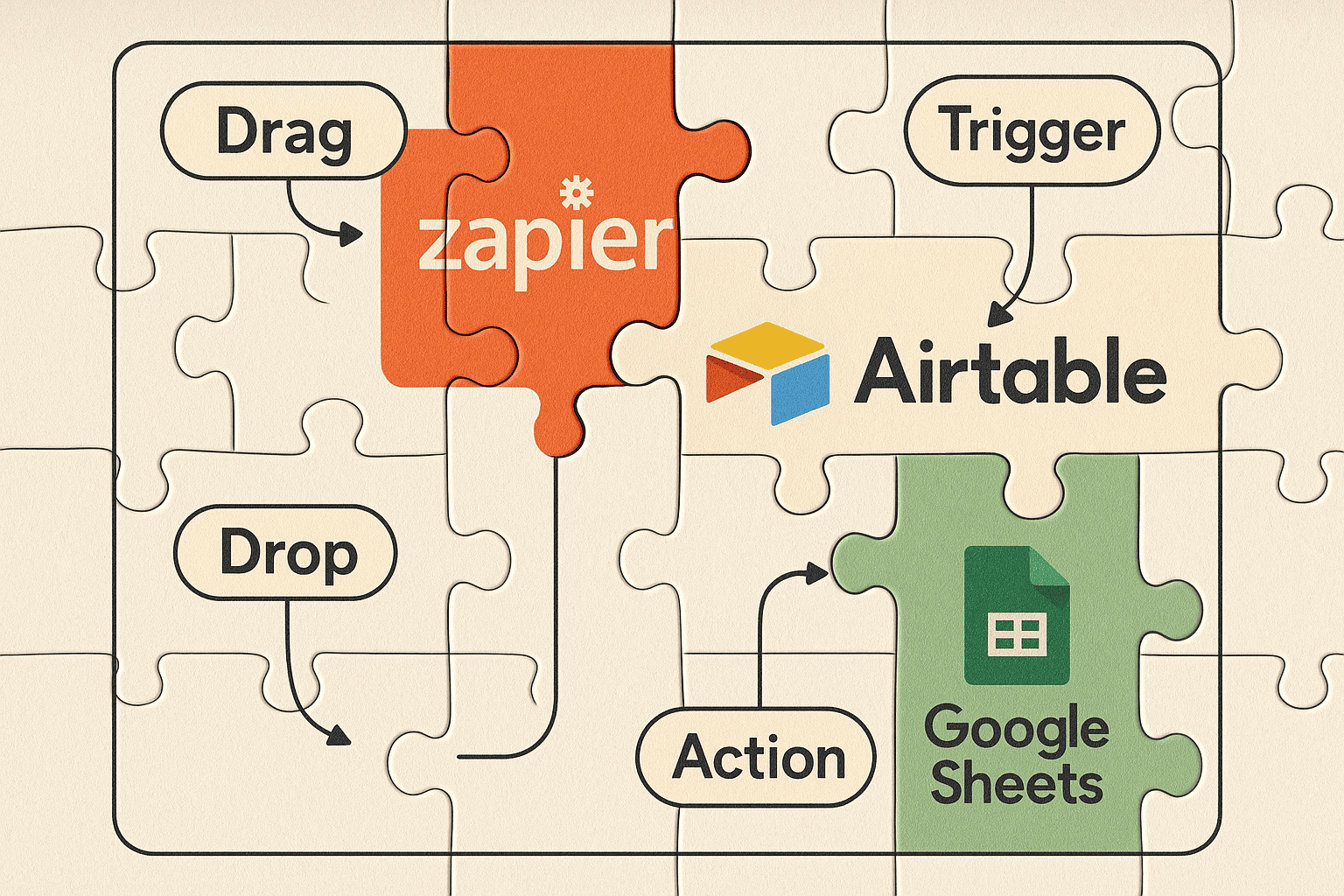
Wilton Rogers July 10, 2025 How to Automate Your Business Processes Without Writing a Single Line of Code Automation Isn’t Just for Developers For years, automating business workflows meant hiring developers, building custom systems, or relying on complex, hard-to-maintain scripts. This made automation seem out of reach for small businesses, solo entrepreneurs, and non-technical teams. But today, that barrier is gone. No-code automation platforms have made it possible for anyone; from operations managers and marketers to virtual assistants and small business owners, to automate workflows without writing a single line of code. You can now streamline tasks, improve accuracy, and scale your operations with easy-to-use visual tools. In this guide, you’ll learn exactly how to identify automation opportunities, build your first workflow, and leverage no-code platforms to save hours of manual work each week—even if you’ve never touched a line of code. What Is No-Code Process Automation? No-code process automation uses visual interfaces and drag-and-drop tools to build workflows between different apps and systems. Instead of writing code, you create logic by choosing triggers, actions, and conditions from dropdown menus. Popular platforms that support no-code automation include: Zapier: Great for small businesses wanting to link tools like Gmail, Google Sheets, Slack, etc. Make (formerly Integromat): Offers visual scenario builders for complex automations. Power Automate: Microsoft’s tool for automating across Office 365 and other services. Trello / Airtable Automations: Simple built-in options for workflow triggers and updates. Step-by-Step: How to Automate Without Code 1. Identify Repetitive Tasks Start by listing out tasks your team does over and over, like sending welcome emails, updating spreadsheets, or following up on form submissions. These are perfect candidates for automation. 2. Choose Your Tools Pick a no-code platform that integrates with the apps you use. For example, if your CRM is HubSpot and you use Gmail and Google Sheets, Zapier is a strong choice. 3. Map the Workflow Sketch out the steps: What triggers the process? What needs to happen next? Does anything depend on conditions (e.g. different actions for different answers)? 4. Build the Automation Use your no-code platform’s interface to create the logic. For example: Trigger: “New lead in CRM” Action: “Send welcome email” Action: “Create a new row in Google Sheets” 5. Test and Launch Run a test to make sure everything fires correctly. Most tools provide test environments so you can simulate the process. Once tested, turn it on and let it run. Real-World Use Cases Here are some everyday automations you can set up with no code: Client Onboarding: Automatically send documents, welcome emails, and calendar invites. Invoice Management: Trigger invoice creation from completed contracts. Team Notifications: Alert Slack or Teams channels when a form is submitted. Lead Scoring: Automatically tag or score leads based on form responses. Content Publishing: Post new blog updates or YouTube videos to social channels. Each of these examples saves hours of manual work per week—and helps ensure consistency. 👉 Want to discover more possibilities? Read our guide on Workflow Automation Explained: Tools, Benefits, and Real-World Use Cases for inspiration. Why No-Code Automation Is a Game-Changer for SMBs Small and mid-sized businesses often don’t have in-house developers. No-code automation levels the playing field by giving business owners and teams direct control over operations. You get: Faster execution Lower costs Flexibility to tweak workflows anytime No reliance on IT backlogs Best of all, many no-code tools offer free plans or scalable pricing, making them accessible to businesses of all sizes. Build Smart, Start Simple No-code automation allows you to move fast without breaking things. Start with one workflow, get comfortable, and scale from there. The impact will surprise you. 📌 Ready to go further? Our Ultimate Guide to Business Process Automation breaks down how to scale these efforts across your entire company. Need help identifying which tools or workflows to automate first? Visit ScaleThroughAutomation.io and let our team guide you through a smart start. Business Business Process Optimization vs Automation: What You Need to Know Business The Ultimate Guide to Business Process Automation: How Modern Businesses Scale Efficiently Business How to Reduce Manual Tasks Without Breaking Your System Categories Uncategorized Business AI Agent
Intelligent Automation: Smarter Systems for Smarter Business Decisions
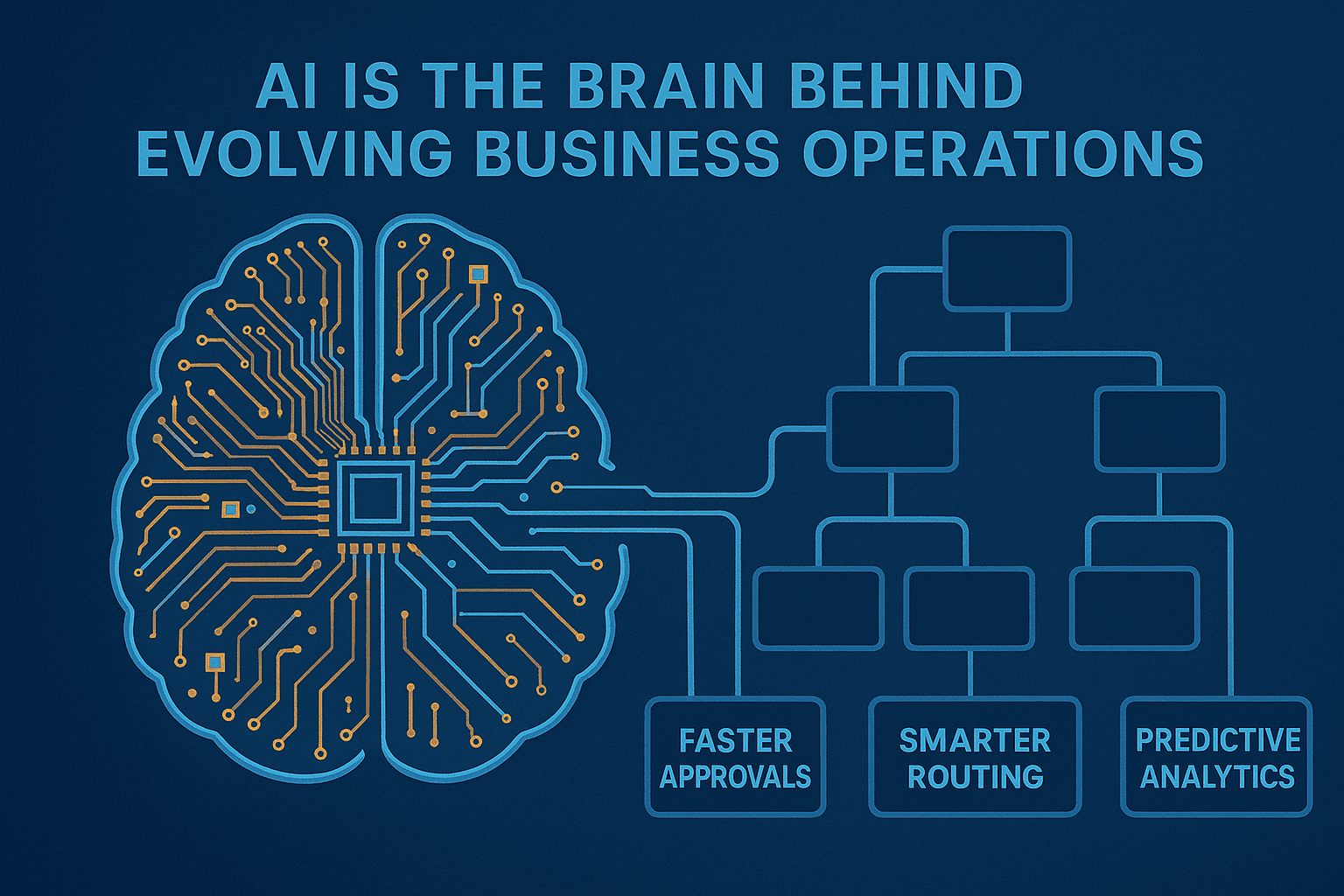
Wilton Rogers July 10, 2025 Intelligent Automation: Smarter Systems for Smarter Business Decisions What Is Intelligent Automation? Intelligent Automation (IA) is the next level of business process automation; combining traditional workflow automation with artificial intelligence (AI), machine learning (ML), and decision-making capabilities. Unlike standard automation that simply follows rules, intelligent automation can analyze data, adapt to changing inputs, and learn over time. It allows businesses to go beyond routine task execution to automate complex processes that require logic, judgment, or personalization. Common IA technologies include: AI chatbots and virtual assistants Document understanding and classification Predictive analytics Robotic Process Automation (RPA) with AI integration Key Benefits of IA Adopting intelligent automation can transform how businesses operate. Some of the most impactful benefits include: Faster, smarter decision-making: Systems can analyze data in real time and act without human intervention. Scalability: Handle more tasks, customers, or workflows without increasing staff. Cost savings: Reduce labor costs and minimize costly manual errors. Better customer experiences: Personalize interactions, speed up responses, and provide 24/7 support. Future readiness: Position your business to compete in a rapidly evolving, AI-powered market. Where to Apply Intelligent Automation in Your Business Intelligent automation can be used across departments, but it’s especially powerful in areas that rely heavily on data and repetitive decisions: Customer Support: AI-driven chatbots triage queries, escalate complex issues, and pull data from internal systems. Finance: Automatically process invoices, match transactions, and flag anomalies. Sales and Marketing: Use predictive analytics to segment leads, recommend content, or personalize outreach. HR: Screen resumes, answer FAQs, and handle onboarding tasks. Operations: Automate inventory updates, track shipments, or manage quality control alerts. Intelligent Automation vs Traditional Automation So how is IA different from standard business process automation? Feature Traditional Automation Intelligent Automation Follows rules ✅ ✅ Learns from data ❌ ✅ Makes decisions ❌ ✅ Requires structured input ✅ ❌ (can handle unstructured data) Adapts to change ❌ ✅ In short, IA is more dynamic, data-driven, and capable of improving itself over time—unlike rule-based automation that stays static. Getting Started with Intelligent Automation Here’s how to get started if you’re new to IA: Start small: Identify one or two high-impact use cases like customer queries or invoice approvals. Use cloud-based tools: Platforms like UiPath, Microsoft Power Automate with AI Builder, or Zapier AI are user-friendly and scalable. Pair with process optimization: Make sure your workflows are efficient before adding intelligence to them. Measure ROI: Track time saved, error reduction, or revenue impact over time. 👉 Already optimizing your workflows? Learn 5 Proven Ways to Optimize Business Processes Using Automation to prepare for more advanced automation. Don’t Just Automate—Do it Intelligently Intelligent automation represents the future of business systems. It brings together the speed of automation with the thinking power of AI. If you’re aiming to future-proof your business, improve decision-making, and gain a competitive edge, it isn’t just a tech upgrade; it’s a strategic move. 📌 Dive deeper into how automation supports business growth in our Ultimate Guide to Business Process Automation. Need help applying intelligent automation in your business? Visit ScaleThroughAutomation.io to speak with an automation expert. AI Agent Process Optimization: 5 Automation Strategies to Streamline Your Business AI Agent Workflow Automation Explained: Tools, Benefits, and Real-World Use Cases Business Business Process Optimization vs Automation: What You Need to Know Categories Uncategorized Business AI Agent
Process Optimization: 5 Automation Strategies to Streamline Your Business
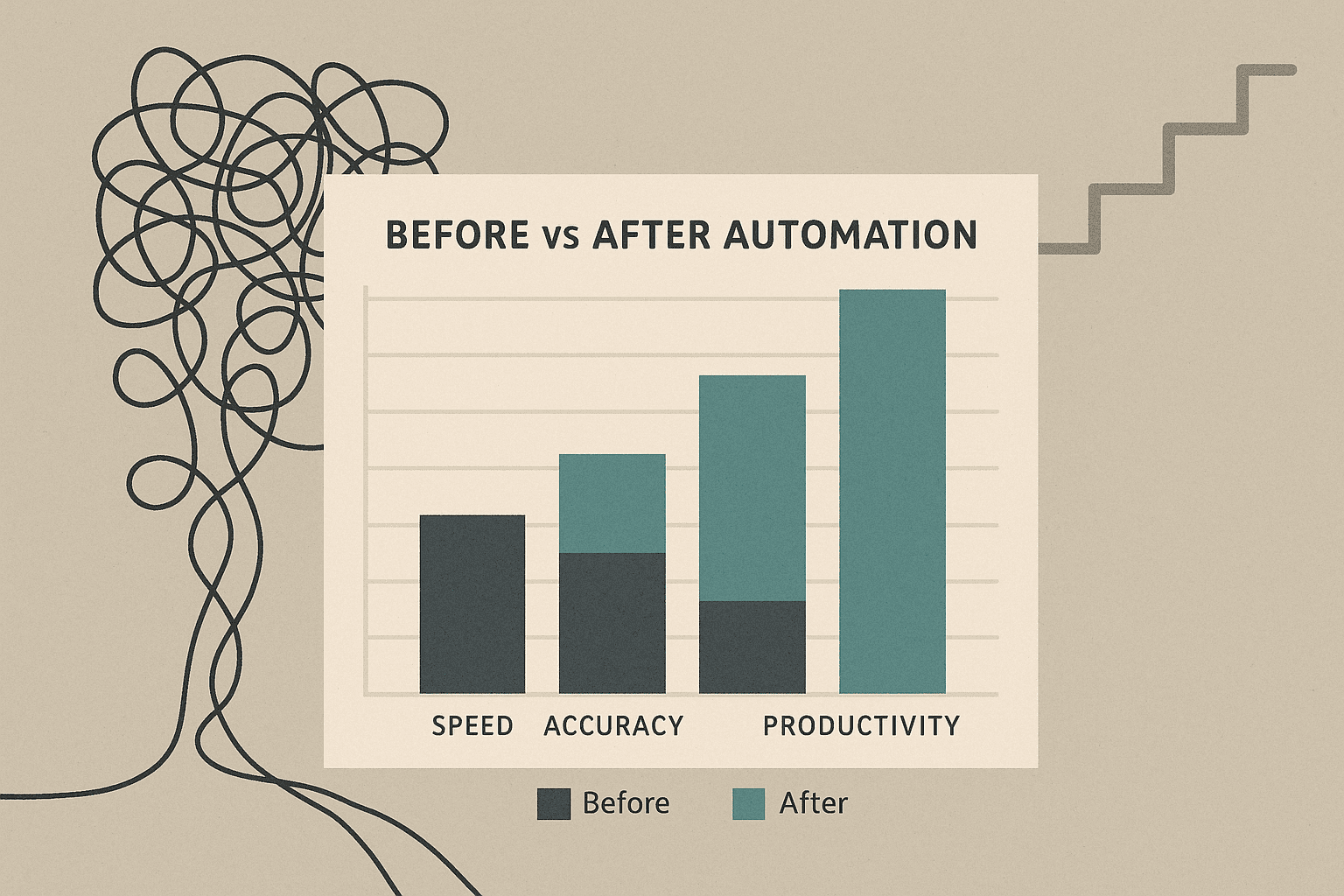
Wilton Rogers July 10, 2025 Process Optimization: 5 Automation Strategies to Streamline Your Business Why Process Optimization and Automation Work Best Together If you’re looking to reduce inefficiencies, improve team performance, or scale your business without scaling costs, the solution lies in process optimization powered by automation. Process optimization involves improving the way work gets done; eliminating redundancies, reducing delays, and enhancing efficiency. When paired with automation, optimized processes become faster, smarter, and easier to scale. In this article, we explore five proven ways to optimize your business workflows using automation tools and techniques that create real, measurable impact. 1. Identify High-Impact, Repetitive Tasks Before Process Optimization Effective process optimization starts with identifying workflows that are repeated frequently, involve multiple handoffs, or are prone to human error. These tasks are ideal for automation because they slow down productivity and create bottlenecks. Common examples include: Email follow-ups Invoice approvals Employee onboarding checklists Client onboarding sequences By automating these high-impact processes, you eliminate delays, reduce risk of errors, and allow your team to focus on more strategic tasks. 2. Map Out the Current Workflow Before Optimizing Before jumping into automation, you need a clear view of the current process. Process mapping helps you visualize each step, uncover inefficiencies, and define exactly what needs to change. Ask yourself: What triggers the process? Who owns each step? Are there unnecessary delays or manual approvals? Tools like Lucidchart, Miro, or even whiteboards can help you document workflows. Remember: process optimization isn’t about automating a bad process—it’s about fixing it first, then automating the improved version. 3. Automate Data Movement Between Tools One of the biggest time-wasters in business is manual data entry between disconnected tools. Automating the movement of data between systems is a key part of any process optimization strategy. Examples include: Syncing form submissions to your CRM Sending order data from your eCommerce platform to your accounting tool Updating project statuses across platforms like Asana, Trello, or Slack Using automation platforms (e.g., Zapier, Make, Power Automate), you can streamline this data flow, reducing errors and reclaiming hours of manual work. 👉 For a deeper look, read our Workflow Automation Explained guide on tools, benefits, and real-world use cases. 4. Set Up Smart Triggers and Conditional Logic Process optimization with automation means making workflows dynamic. Rather than creating a one-size-fits-all process, use conditional logic to tailor responses based on real-world scenarios. For instance: If a lead completes a high-intent form → alert sales instantly If onboarding isn’t complete in 7 days → send a reminder email If a payment is over $5,000 → route to senior finance for approval Smart triggers and logic ensure workflows are responsive and efficient—without constant oversight. 5. Monitor, Measure, & Continuously Improve Your Process Optimization Effort No process optimization effort is complete without continuous monitoring. Use your automation tool’s analytics to: Track workflow completion rates Measure average task duration Spot errors, delays, or skipped steps This data-driven feedback loop helps you identify what’s working and where to improve. Regular updates and refinements make your processes more agile over time. Start Small and Optimize Continuously You don’t have to automate everything at once to see value. Start with one or two critical workflows. Apply these optimization strategies. Let automation do the repetitive work—while you focus on growing your business. 📌 Want to learn how businesses scale without complexity? Explore our Ultimate Guide to Business Process Automation for a full walkthrough on planning, building, and managing optimized processes with automation. AI Agent Process Optimization: 5 Automation Strategies to Streamline Your Business AI Agent Workflow Automation Explained: Tools, Benefits, and Real-World Use Cases Business Business Process Optimization vs Automation: What You Need to Know Categories Uncategorized Business AI Agent