
Human-AI Hybrid Teams: The New Default Operating Model for Modern Workflows
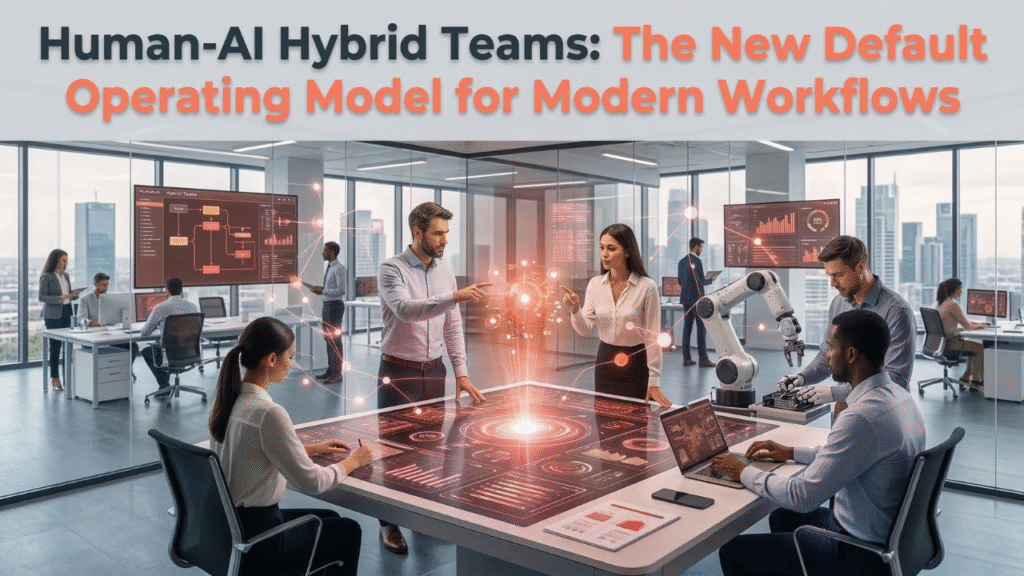
Human-AI hybrid teams are changing how modern businesses operate. Instead of relying only on headcount or treating AI as a disconnected tool, companies are redesigning workflows so humans and AI work together inside the same system. This article explains why hybrid teams are emerging, how they improve operational efficiency, and how businesses can implement them strategically.
The Future of AI in Business: Trends Every Company Should Watch
Artificial intelligence is entering a new phase that will reshape how organizations operate. The future of AI in business goes far beyond simple automation. From AI agents managing workflows to decision intelligence systems guiding strategy, companies are beginning to integrate AI into the core of their operations. This article explores the most important trends businesses must understand today to stay competitive in an AI-driven economy.
Companies Aren’t Cutting Costs — They’re Replacing Processes
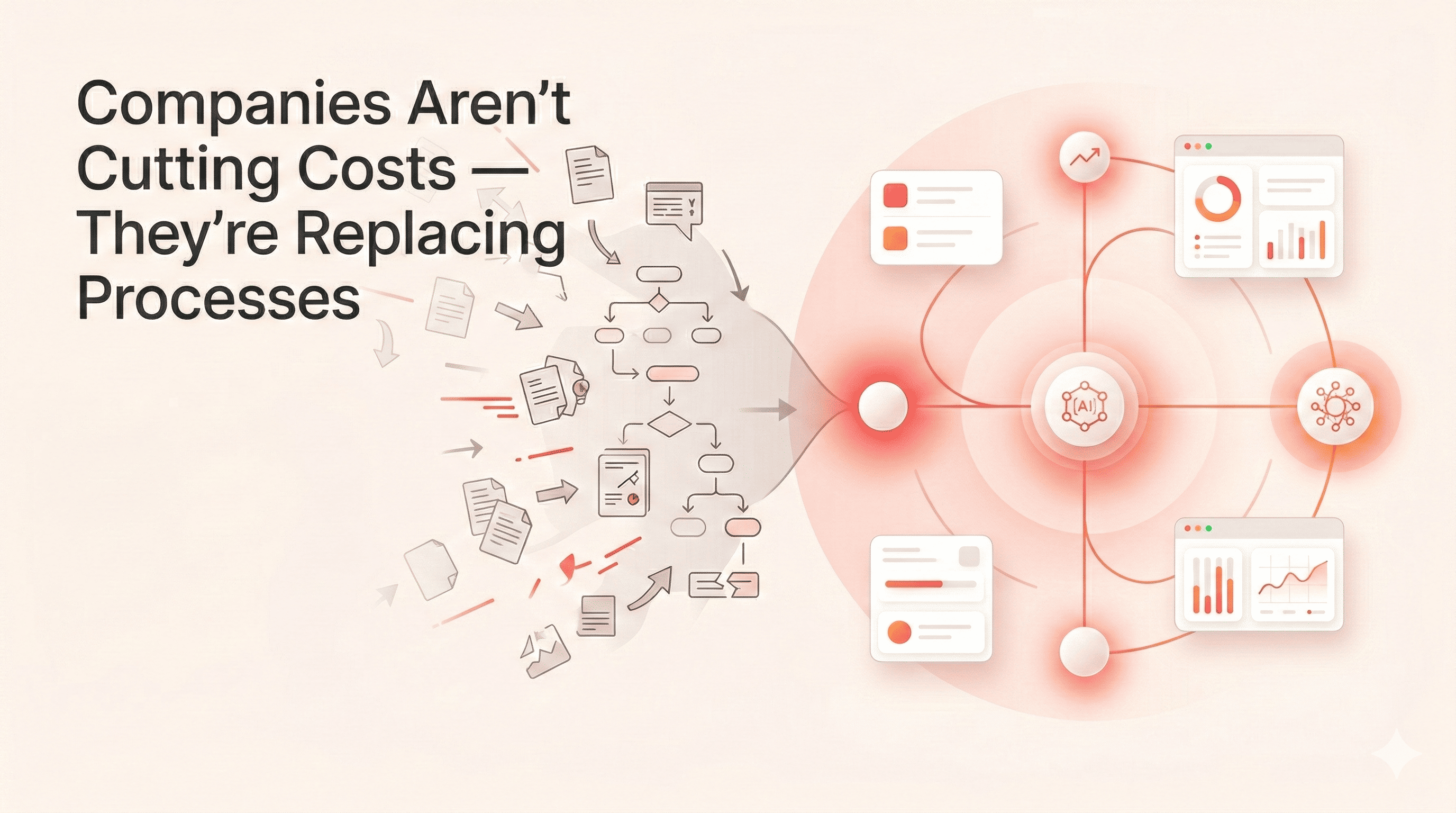
Companies are no longer focused on trimming budgets. They are replacing outdated workflows with AI-driven process automation. This shift from cost cutting to process redesign eliminates operational friction, increases leverage, and allows businesses to scale efficiently without shrinking their teams.
The Silent Workforce Shift: Jobs Are Changing Faster Than Headlines Admit
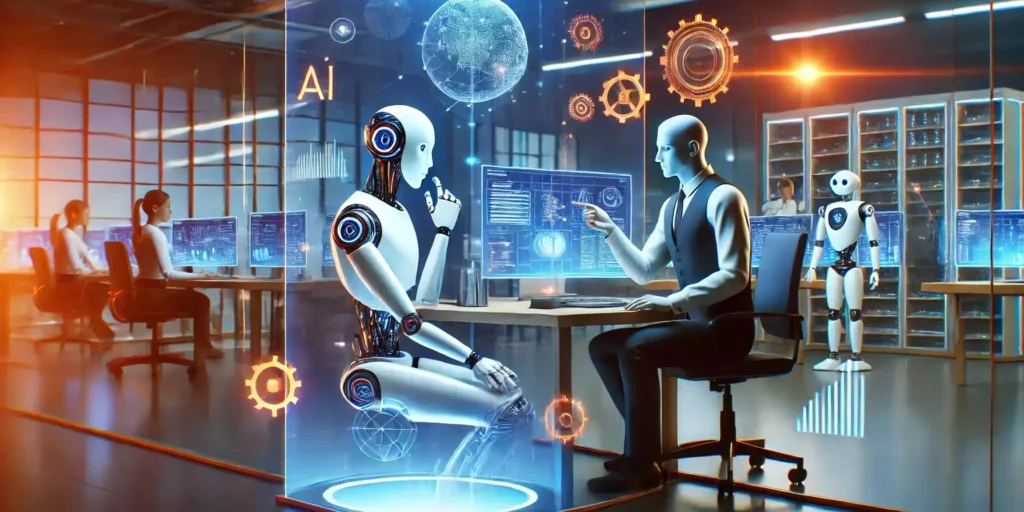
Artificial intelligence is not simply eliminating jobs. It is redesigning work at the task level. In this in-depth analysis of the silent workforce shift, we explore how AI is transforming white-collar roles, reshaping productivity, and redefining what it means to scale automation across modern organizations. Learn how businesses can reduce manual workflows, build trust in AI adoption, and structure hybrid human and digital workforce systems for long-term growth.
Digital Workforce Strategy: How Businesses Design Scalable Operations With AI Employees
AI employees for business are changing how companies scale by removing manual work and improving operational efficiency. This guide explains how digital workers fit into workflows, key roles they perform, and how businesses transition to a scalable digital workforce.
AI Employees for Business: How Digital Workers Are Transforming Modern Operations
AI employees for business are changing how companies scale by removing manual work and improving operational efficiency. This guide explains how digital workers fit into workflows, key roles they perform, and how businesses transition to a scalable digital workforce.
Best AI Employees: The Complete Guide to Building a Digital Workforce That Scales Your Business
The best AI employees are role-based digital workers designed to run real business workflows. This guide explains how AI employees reduce manual work, eliminate bottlenecks, and help modern businesses scale faster without burning out their teams.
The AI Employee Stack: The 8 Digital Workers Every Modern Business Will Use by 2026
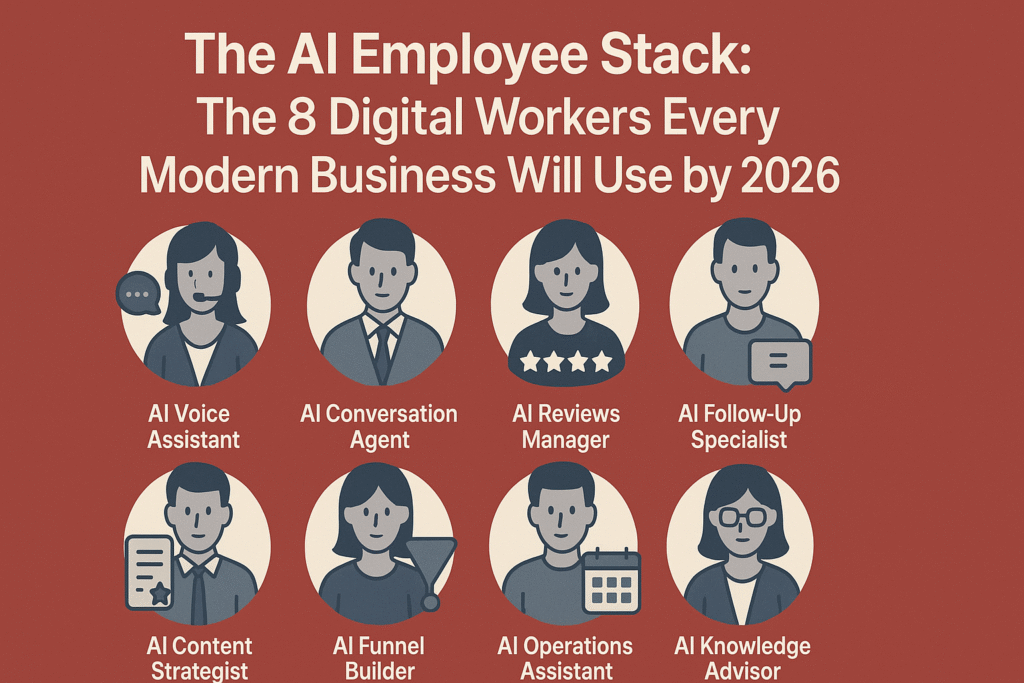
The future of work is a hybrid team of humans and AI employees. This guide breaks down the AI employee stack, explains each digital worker and shows how to deploy them in phases so you can stop losing leads, reduce manual work and scale with less stress.
Digital Coworkers Are Here: How to Train, Manage, and Measure Their Impact
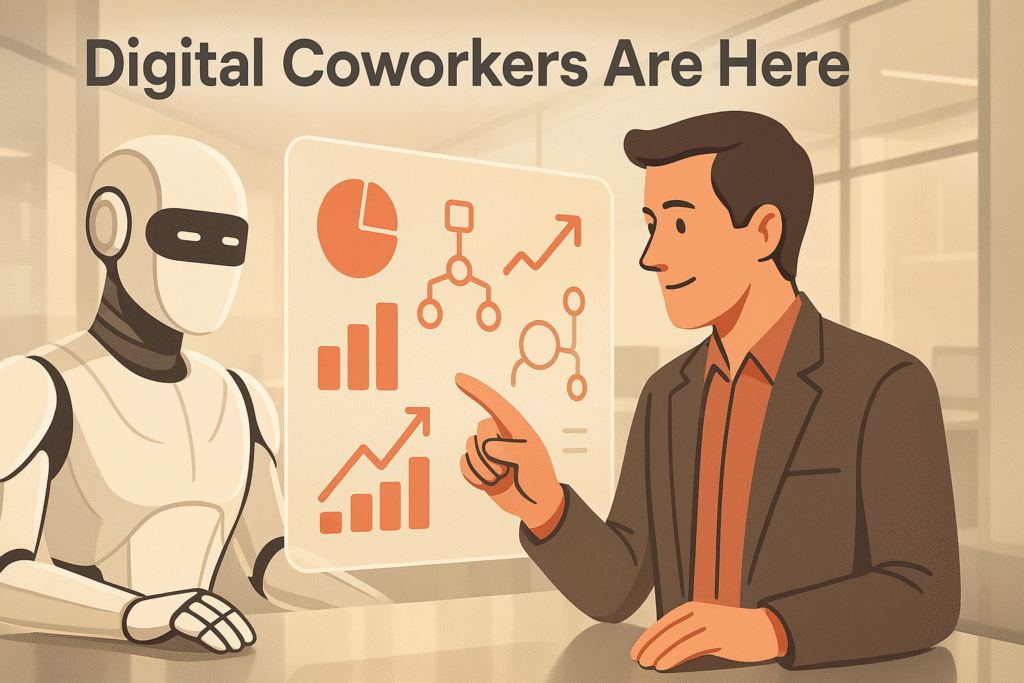
Digital coworkers are becoming a core part of the modern workforce. This guide breaks down how to onboard, train, and manage AI employees while tracking real automation ROI across your business operations.
The Psychology of Trust: Why People Resist AI and How to Fix It
AI adoption psychology reveals why people resist AI even when it improves productivity. This article explains how trust, training, and change management reduce fear and help teams embrace AI confidently.